Specialist Tree Removal Services: Reliable and Effective Solutions for Your Property
Specialist tree removal services play a crucial role in preserving the health and safety of residential properties. Trees can pose significant risks when they become overgrown or compromised. Homeowners often overlook these risks, leading to potential damage to their landscape and structures. Understanding when to seek professional assistance is crucial. This article will discuss key aspects of tree removal, including the evaluation process and the benefits of hiring specialists. The insights may astonish many.
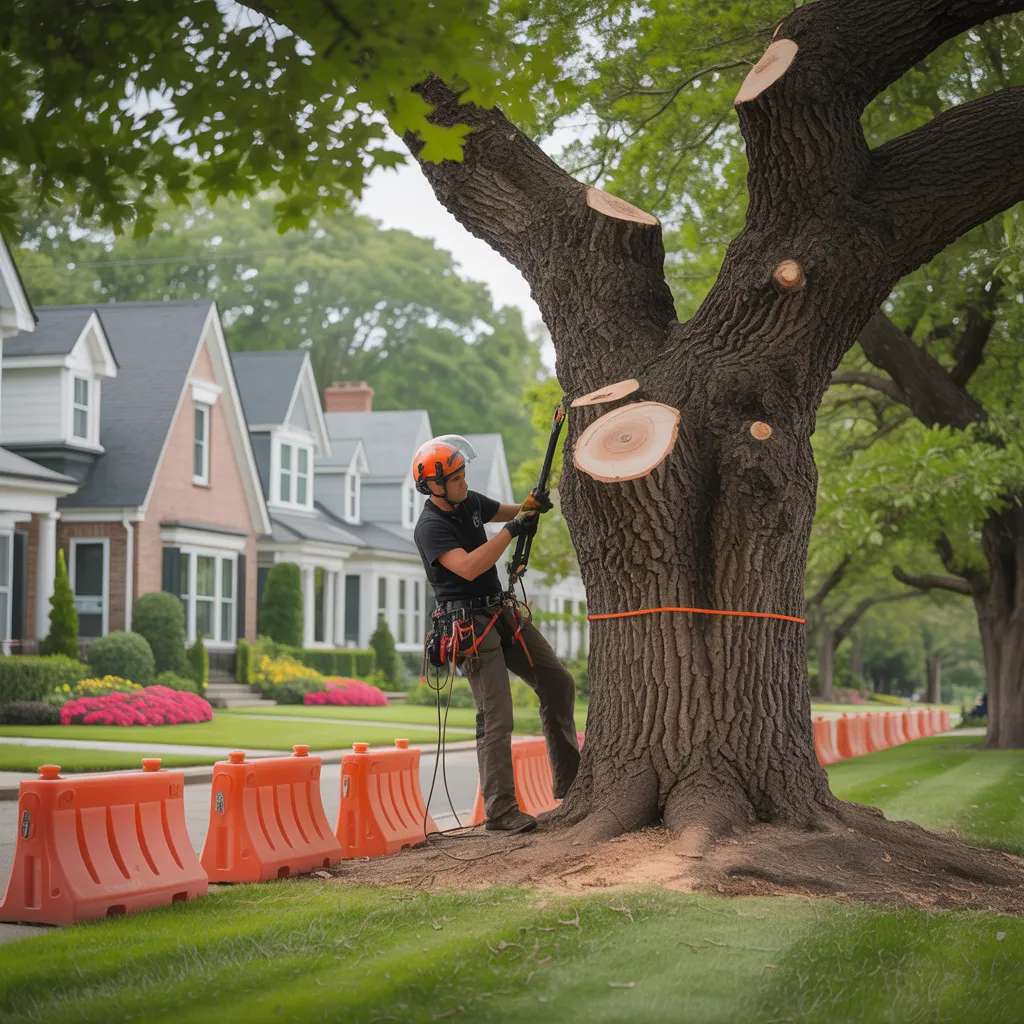
Why Professional Tree Removal Matters
Tree removal is a vital service that secures safety and boosts the health of the surrounding landscape. Overgrown or damaged trees can create considerable risks to both property and individuals. Dead or unstable trees are prone to falling during storms, potentially causing injury or property damage. Professional tree removal services confirm that these hazards are resolved promptly and effectively.
In addition, eliminating trees can increase sunlight availability for nearby plants, fostering healthier growth in gardens and landscapes. This procedure can also aid in stopping the spread of diseases and pests that may damage nearby flora. Professional arborists hold the expertise and tools essential to evaluate the situation accurately, confirming that tree removal is performed with safety and efficiently. By employing experienced professionals, property owners can maintain the overall aesthetics and functionality of their outdoor spaces while reducing risks linked to tree hazards. Investing in professional tree removal is vital for long-term landscape health and safety.
Evaluating Tree Health: When to Reach Out to the Experts
Evaluating the health of trees is an essential step in sustaining a safe and thriving landscape. Homeowners should consistently inspect their trees for indicators of distress, such as wilting leaves, irregular growth patterns, or visible decay. Elements like pests, diseases, and environmental factors can greatly influence a tree's vitality. If a tree shows noticeable leaning, exposed roots, or dead branches, it may present a safety risk and necessitate professional inspection.
Contacting tree experts can offer a thorough analysis of tree health, identifying problems that may not be easily apparent. Specialists employ specialized knowledge and tools to examine root systems, bark conditions, and overall structural integrity. Additionally, they can propose appropriate actions, whether it be treatment or removal. Swift intervention is crucial to avoid further damage to the tree or surrounding landscape, guaranteeing the safety and aesthetic appeal of the property.
Benefits of Hiring Trained Tree Removal Professionals
When property owners encounter the challenging choice of tree removal, bringing in trained tree removal specialists can confirm the process is executed safely and efficiently. These professionals maintain the necessary expertise to examine the situation, identifying the best approach for removal while minimizing risks to surrounding structures and landscapes. Their training assures they are proficient in safety protocols, which considerably reduces the chance of accidents or damage during the process.
Moreover, trained specialists come equipped with the proper tools and equipment, which are necessary for proper tree removal. This not only improves the speed of the process but also guarantees a clean and thorough job. Beyond this, hiring experts can ensure proper disposal of tree debris, eliminating the burden on homeowners to manage the aftermath. All in all, investing in trained tree removal specialists provides peace of mind and protects both the property and its occupants.
Tree Removal: A Step-by-Step Guide
Employing trained tree removal specialists establishes a well-organized and methodical approach to the removal process. First, the specialists perform a thorough assessment of the tree and its surrounding area, establishing the safest and most practical method associated resource for removal. They assess factors such as tree health, proximity to structures, and potential hazards.
Upon completion of the assessment, the team prepares a extensive plan. This may include protecting the area, using correct equipment, and employing techniques like sectional felling or crane removal for sizeable trees. The main removal process includes cutting the tree down in a careful manner, confirming that it falls in the correct direction.
Following removal, the specialists will frequently clear debris and grind the stump, leaving the area clean. Open communication throughout the process keeps property owners in the loop, ensuring that expectations are met and safety remains a main focus. This professional approach reduces risks and disruption to the surrounding property.
Safeguarding Your Landscape: Post-Installation Care Advice
Successful landscape conservation subsequent to tree removal demands careful attention to maintenance and aftercare. Initially, it's vital to assess the soil quality where the tree once stood. Improving the soil with organic matter can support healthy growth for new plants. Regular watering is required, most importantly during dry spells, to maintain the remaining vegetation.
Following this, monitoring the area for any evidence of pests or disease will help sustain the health of the landscape. Adding mulch can help maintain moisture, control weeds, and improve the aesthetic appeal of the space. Furthermore, planting new trees or shrubs can fill in gaps, provide shade, and restore the ecosystem.
Regularly inspecting the landscape for any changes or issues will enable timely intervention. Employing professional landscaping services for continuous maintenance can also confirm that the area remains healthy and vibrant, ultimately preserving the integrity of the property's overall landscape.
Frequently Asked Questions
How Much Does Professional Tree Removal Generally Cost?
Expert tree removal generally costs between $200 to $2,000, depending on factors such as tree size, location, and intricacy of the job. Extra services, including stump grinding, may incur further charges as well.
Is a Permit Required for Tree Removal?
The need for a permit for tree removal varies depending on where you live. As a rule, homeowners should review local regulations or consult with municipal authorities to confirm whether a permit is needed before beginning tree removal.
Which Tree Types Need Specialized Removal Techniques?
Some trees, including large or hazardous specimens, those in proximity to power lines, or species with invasive root systems require specialized removal approaches. Additionally, trees impacted by disease or pests may demand careful handling to inhibit spreading.
Are Tree Removal Services Deal With Emergency Situations?
Tree removal experts are ready to tackle emergency scenarios, using trained professionals and advanced machinery to safely remove dangerous trees. Their rapid action provides reduced damage to structures and boosts safety within the immediate vicinity.
What Is the Average Time Frame for Tree Removal?
Removing a tree generally takes a few hours to a full day, based on the tree's size, complexity, and location of the job. Factors like weather conditions can also affect the timeframe needed.